Back to Oral Health

Primary School Age (6-12 years)

Key Takeaways

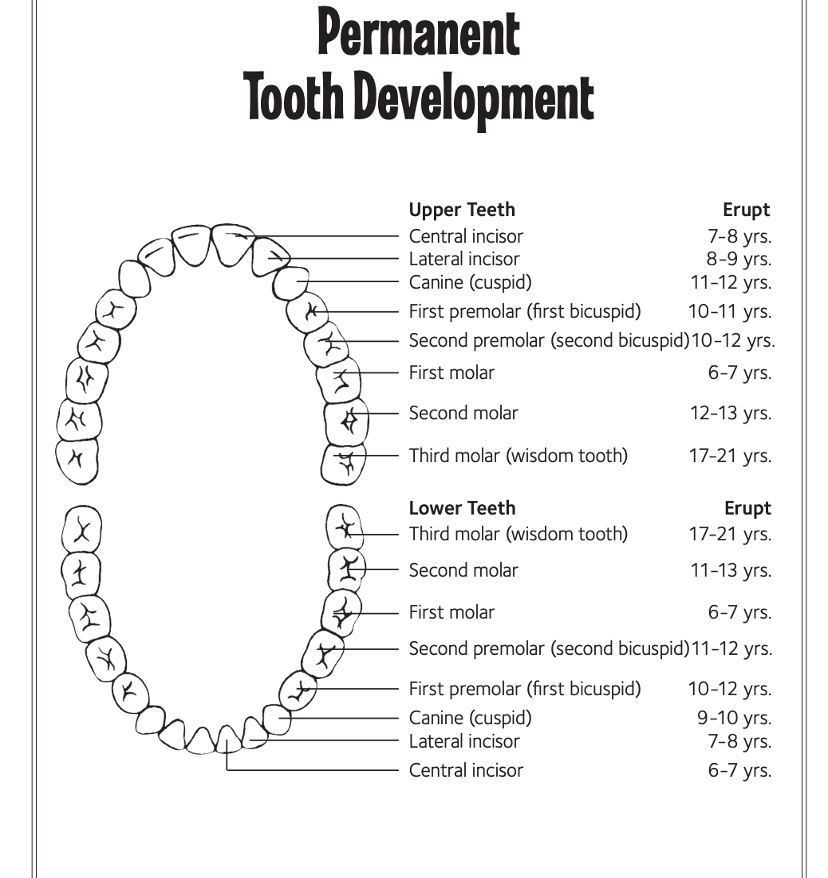
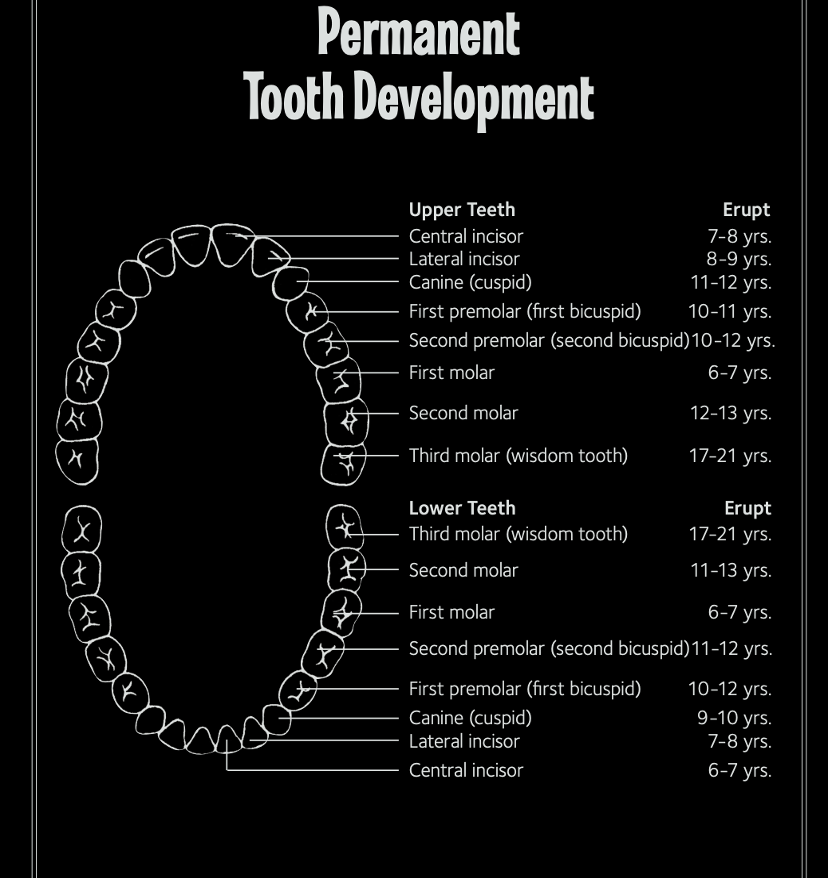
  • Permanent teeth start replacing baby teeth around age 6.
  • Continue to supervise brushing to ensure they are cleaning effectively.
  • Sealants can provide an extra layer of protection against cavities on molars.
  • Encourage a balanced diet and limit sugary snacks and drinks.

Permanent Teeth Development

Mixed dentition phase

  • Permanent teeth start to replace baby teeth as they start falling out.

Keep an eye out for any issues with the alignment teeth like

  • Crowding
  • Spacing
  • Missing teeth
  • Bite

Consider & Discuss with the dentist

  • Fissure sealants
  • Fluoride varnish
  • Mouthguard for contact sports
Oralhealth.info logo

Daily Brushing Routine

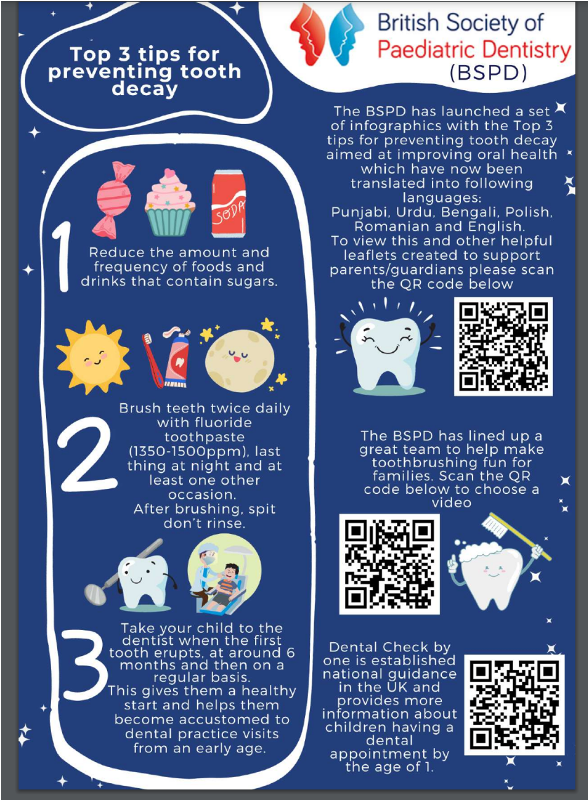
Brush 2 times a day for 2 minutes

Once at night and at one other time during the day.

2×2 min

  • Spit out the toothpaste after brushing. Don't rinse with water.
  • Avoid eating or drinking anything (except water) for 15-20 minutes after brushing.

🦷✨ Supervise Brushing

Supervise your child’s brushing until they are at least 7 years old to ensure they are cleaning their teeth effectively.

Tongue Cleaning is Important

Encourage your child to clean their tongue when they brush their teeth.

🦷✨ Interesting Fact

Did you know 2/3 of germs in your mouth live on the tongue?
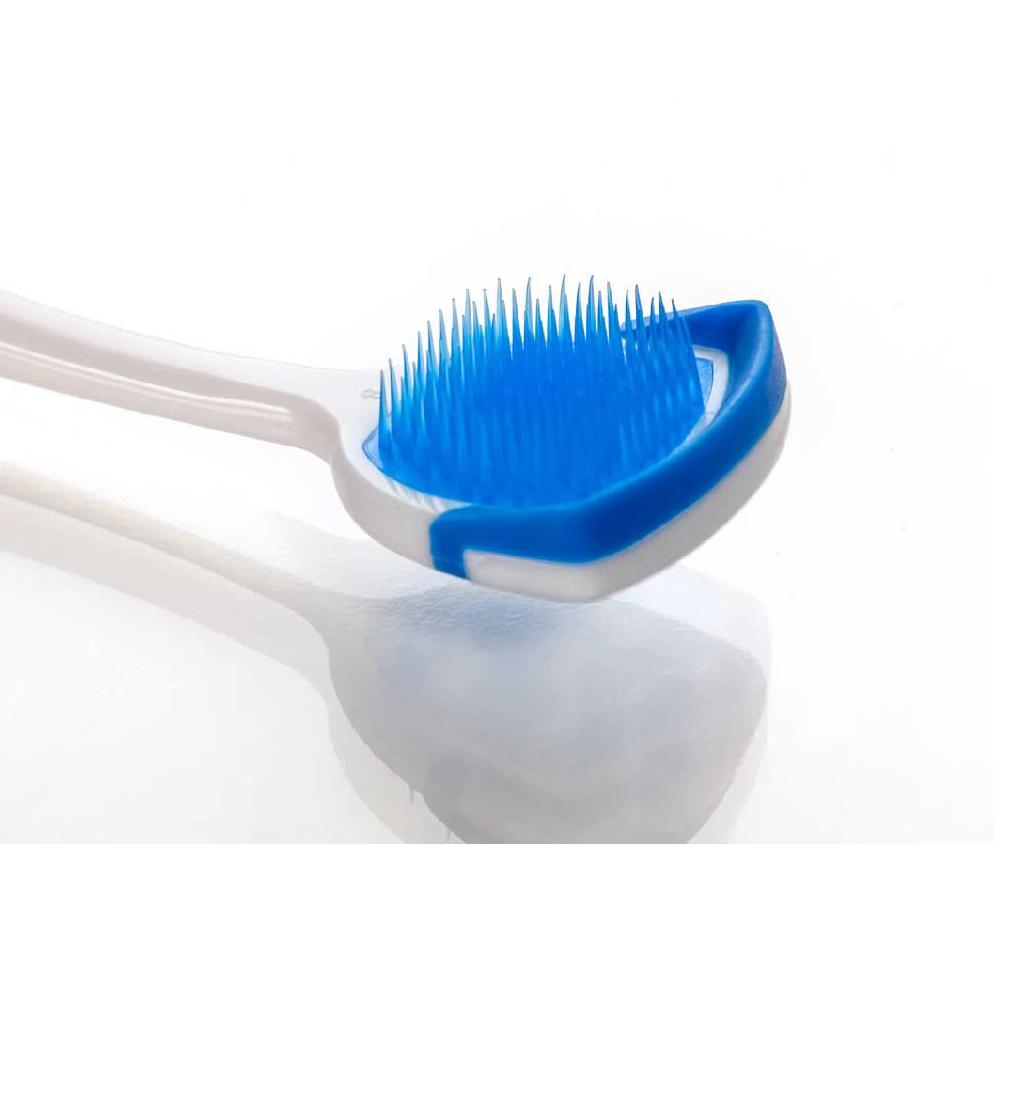
Orabrush tongue cleaner

Dental Check-ups

Schedule the first dental appointment by your child's first birthday.

Dental Care by 1 campaign logo
Source: BSPD

Why Schedule Early?

Schedule your child's first dental visit by their first birthday. Early check-ups help keep their teeth healthy from the very start. Click here to learn more.

Did you know when a baby's first tooth usually appears?

🦷 Around 6 months! That's why early dental visits are so important!

What's Included

  • Dental check-ups for children are free on the NHS.
  • Regular check-ups are typically recommended twice a year.
  • Includes a dental examination and preventive advice.
  • Topical fluoride varnish may be applied to protect teeth.

Opt for Sugar-Free Medication

If your child needs medication, ask your pharmacist or doctor for sugar-free options to protect their teeth.

Healthy Habits for Happy Teeth

  • Choose water instead of juice or sugary drinks.
  • Avoid frequent snacking throughout the day.
  • Include plenty of fruits, vegetables, and dairy in their diet.
  • Applying topical fluoride varnish to protect teeth from decay.
  • Using fissure sealants to protect the chewing surfaces of back teeth.
  • The need for a mouthguard if your child plays contact sports.

Beware of Sugar

Foods & Drinks with Sugars 🍬

Remember to REDUCE:

  • Amount (how much you eat or drink at each time)
  • Frequency (how often you have sugary foods & drinks)

Healthy Habits:

  • Limit treats to mealtime
  • Only 1-2 times per week
  • Choose healthy alternatives

Milk 🥛

Good Choices ✅

  • Regular dairy milk
  • Unsweetened non-dairy milk

Avoid ❌

  • Sweetened dairy milk
  • Sweetened non-dairy milk
  • These can cause tooth decay!

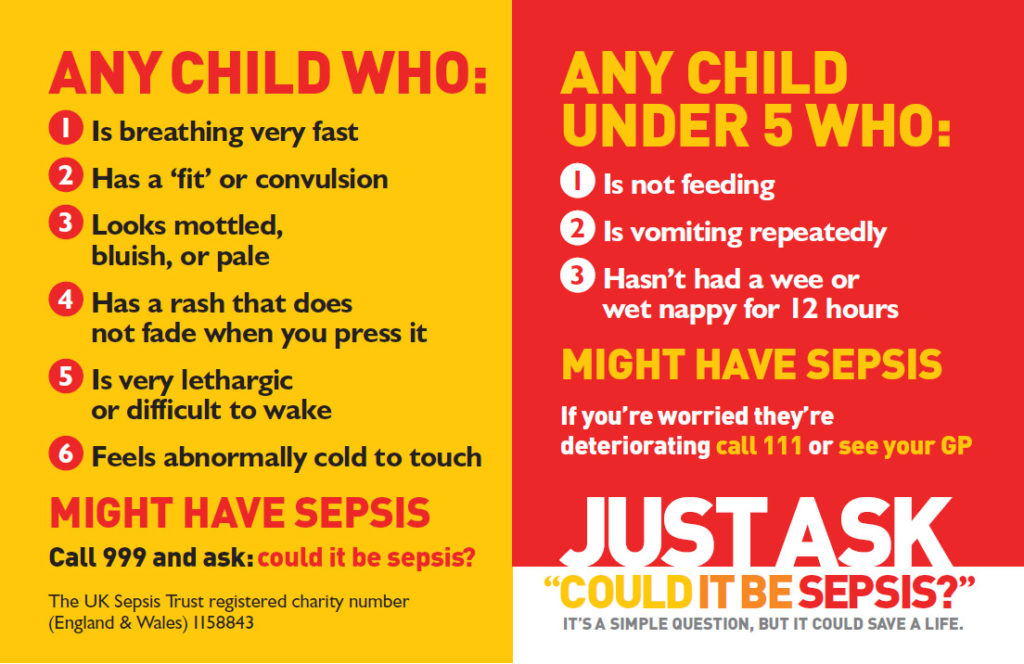
Sepsis

Sepsis is a life-threatening condition that arises when the body’s response to an infection injures its own tissues and organs, with the immune system going into overdrive.
Baby oral health

What else can I do to help my child?

Prevent injuries

  • Make home safe to prevent falls
  • Use car seats and safety gear for sports

Help kids with special needs

  • Work with your dentist to make a special plan for kids with health conditions
  • Get help early for any mouth or jaw problems
  • Team up with specialists (like speech therapists) if needed

Watch habits

  • Encourage stopping thumb-sucking or pacifier use by age 4
  • Switch from bottle to cup between 12-18 months
  • Tell your dentist if child grinds teeth often in sleep

Keep an eye on teeth coming and falling out

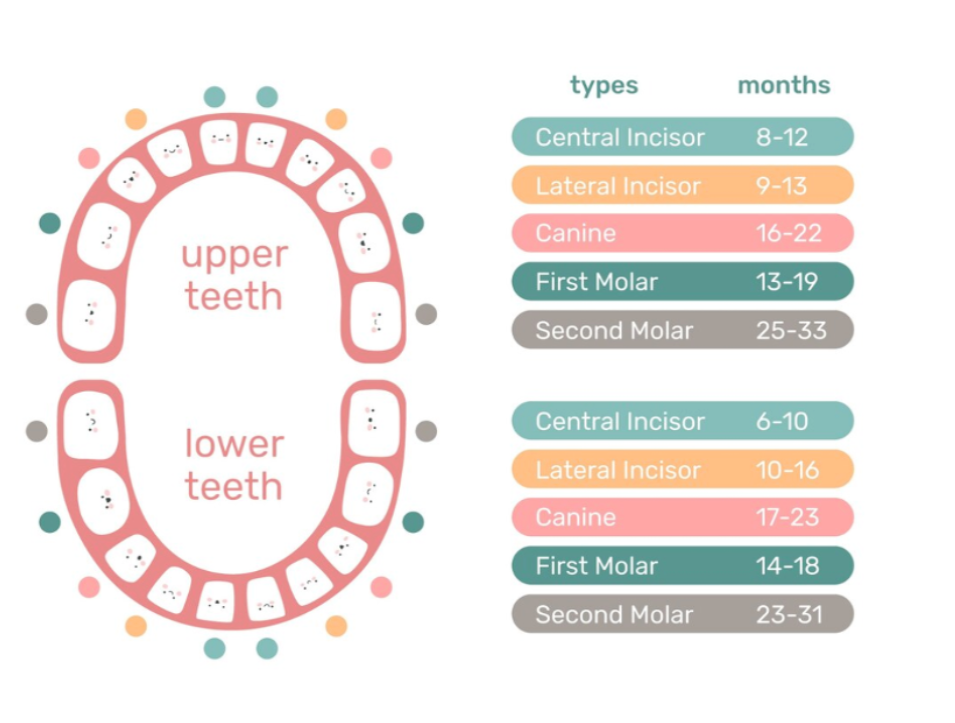
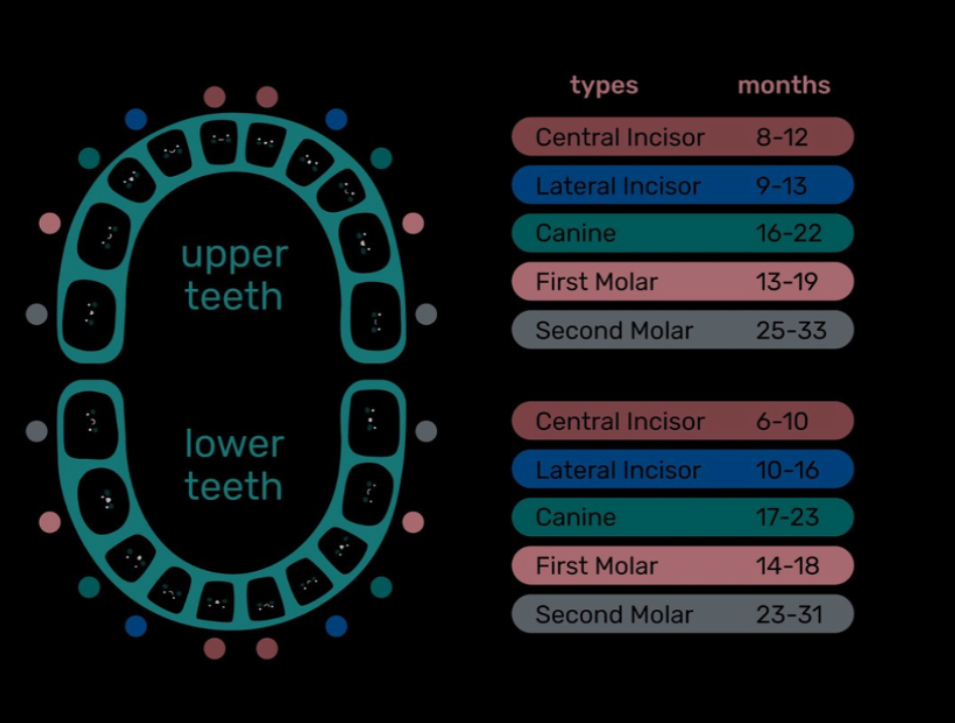
  • Baby teeth usually start falling out around 5-6 years old

Work with all health providers

  • Keep dentist and doctor informed about your child's health and medicines

Teach your child about mouth health

  • Make brushing fun with songs or games
  • Let your child pick their toothbrush (make sure it's soft)
  • Show good habits by taking care of your own teeth

Get your child checked by dentist if you are concerned or worried about any of the following

Developmental Conditions

  • Cleft lip and/or palate: Visible gap in lip or roof of mouth
  • Tongue-tie: Restricted tongue movement
  • Small white cysts on gums or palate (Epstein pearls, Bohn's nodules, dental lamina cysts)
  • Presence of teeth at birth or within the first month (natal/neonatal teeth)
  • Bluish-purple swelling over erupting teeth (eruption cysts)
  • Delayed tooth eruption or early loss of baby teeth
  • Misaligned teeth or jaw (malocclusion)

Genetic and Systemic Conditions

  • Down syndrome: May have delayed tooth growth, missing teeth
  • Ectodermal dysplasia: Can cause missing or oddly shaped teeth
  • Weak or discoloured tooth enamel (amelogenesis imperfecta, dentinogenesis imperfecta)
  • Ehlers-Danlos syndrome: May affect tooth and gum health
  • Heart conditions: Can impact overall health, including oral care
  • Diabetes: Childhood diabetes can increase risk of gum disease

Infectious and Inflammatory Conditions

  • Oral thrush: White patches in mouth
  • Hand, foot, and mouth disease: Painful mouth sores
  • Herpetic gingivostomatitis: Painful sores on gums and in mouth
  • Teething: Swollen, tender gums when new teeth emerge
  • Gingivitis: Red, puffy gums
  • Periodontal disease: More severe gum infection (rare in young children but possible)

Tooth Problems

  • Cavities in baby teeth
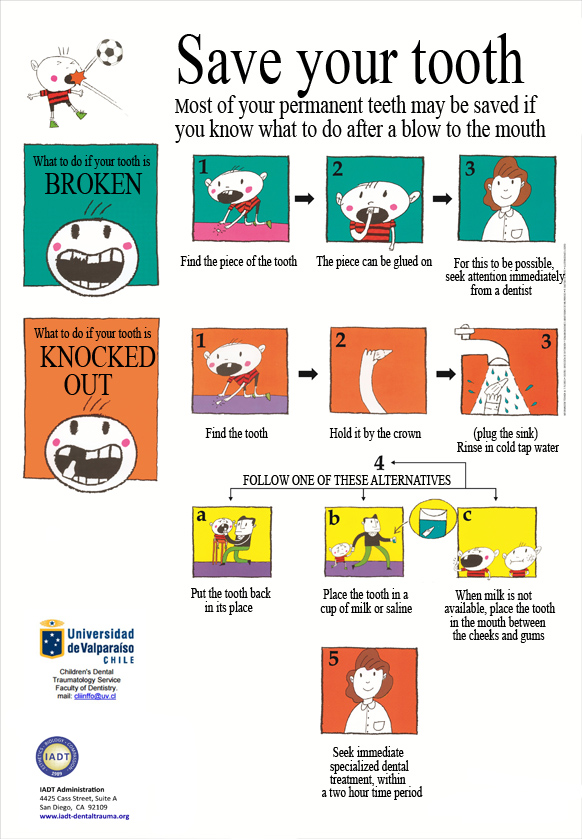
  • Chipped, broken, or knocked-out teeth from accidents
  • Tooth infection (might cause swelling or pain)

Nutritional and Systemic Health Issues

  • Vitamin deficiencies (especially C and D): Can affect gum health and tooth development
  • Iron-deficiency anemia: May make gums & tongue pale
  • Gastroesophageal reflux (GERD): Stomach acid coming up can wear down teeth over time

Neurodevelopmental and Muscular Conditions

  • Cerebral palsy, autism, epilepsy: May affect oral care routines
  • Spinal muscular atrophy (SMA) and muscular dystrophies: Can impact mouth and face muscle control
  • Sensory processing disorders: May make oral care challenging

Speech, Language, and Feeding Issues

  • Can have trouble with mouth movements for speaking
  • Feeding and swallowing disorders: Can impact oral health and development
  • Mouth breathing: Breathing through mouth instead of nose can change how teeth grow