
Back to Oral Health

Secondary School & Young Adults

Illustration of teenagers smiling

Key Takeaways

  • Establish independent, lifelong oral hygiene habits.
  • Be aware of the risks from smoking, vaping, and alcohol.
  • Wisdom teeth may emerge during this time, requiring monitoring.
  • Orthodontic treatments are common and require diligent care.

Daily Care

Toothpaste

Toothpaste

  • Use fluoride toothpaste
  • Be cautious when choosing whitening toothpastes, as some can be abrasive and may harm your teeth over time. It’s best to consult your dentist before trying a new toothpaste to ensure it’s safe and effective for your specific needs.
Interdental cleaning

Interdental cleaning

  • Clean in-between teeth at least once a day.
  • Ask your dentist or hygienist to show how to floss or clean between your teeth with interdental brushes in a safe way
Mouthwash

Mouthwash

  • Use at a different time from brushing for added benefit.
  • Chlorhexidine Mouthrinses
    • Reduces harmful bacteria and prevents gum disease
    • Usage considerations: Prolonged use may cause staining and altered taste. Use as directed by a dentist
  • Fluoride Mouthrinses
    • Strengthens enamel and useful for individuals at higher risk of tooth decay
Sugar free chewing gum

Sugar free chewing gum

  • At different time from brushing
  • Opt for sugar-free versions
Daily Brushing Routine

Brush 2 times a day for 2 minutes

Once at night and any other time of the day.

2×2 min

  • Spit the toothpaste after brushing. Don't rinse.
  • Avoid eating or drinking anything except water for 15-20 min after brushing.

🦷✨ Brushing Technique

Use an electric or manual brush at a 45-degree angle to the gum line, using small, circular motions. Avoid a harsh scrubbing motion.

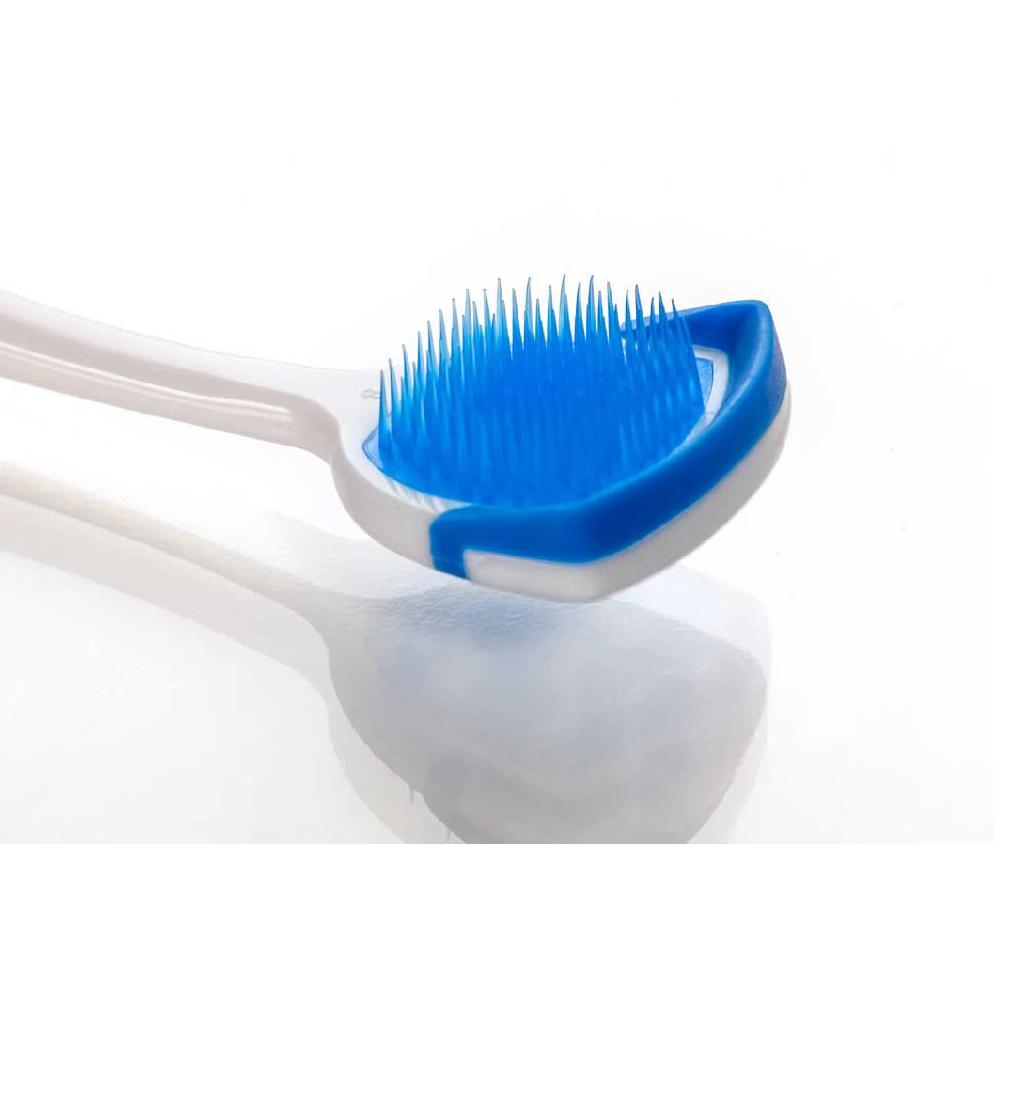
Tongue Cleaning is Important

Clean your tongue when you brush your teeth.

🦷✨ Interesting Fact

Did you know 2/3 of germs in your mouth live on the tongue?

Orabrush tongue cleaner

Dietary Considerations

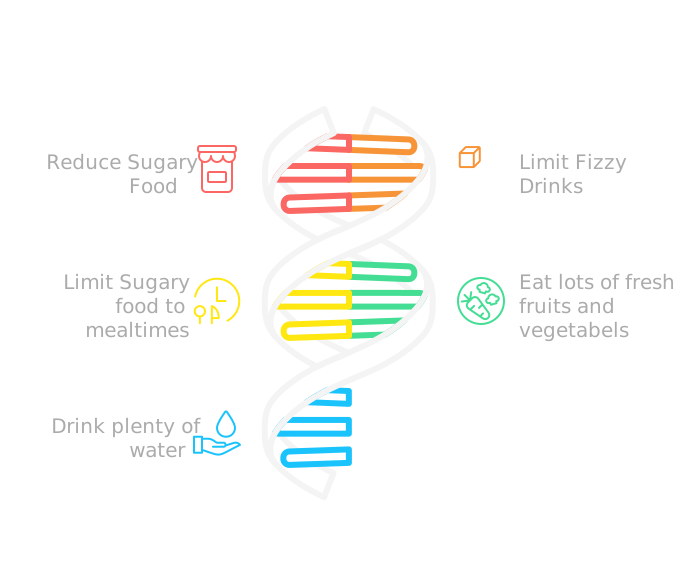
Reduce amount and frequency of sugary foods

Reduce amount and frequency of sugary foods

Limit fizzy drinks

Limit fizzy drinks

Limit sugary foods and fizzy drinks to mealtimes

Limit sugary foods and fizzy drinks to mealtimes

Eat a balanced diet with lots of fresh fruits and vegetables

Eat a balanced diet with lots of fresh fruits and vegetables

Drink plenty of water

Drink plenty of water

A variety of healthy dental diet foods

Lifestyle Factors: Smoking

Lifestyle

Lifestyle

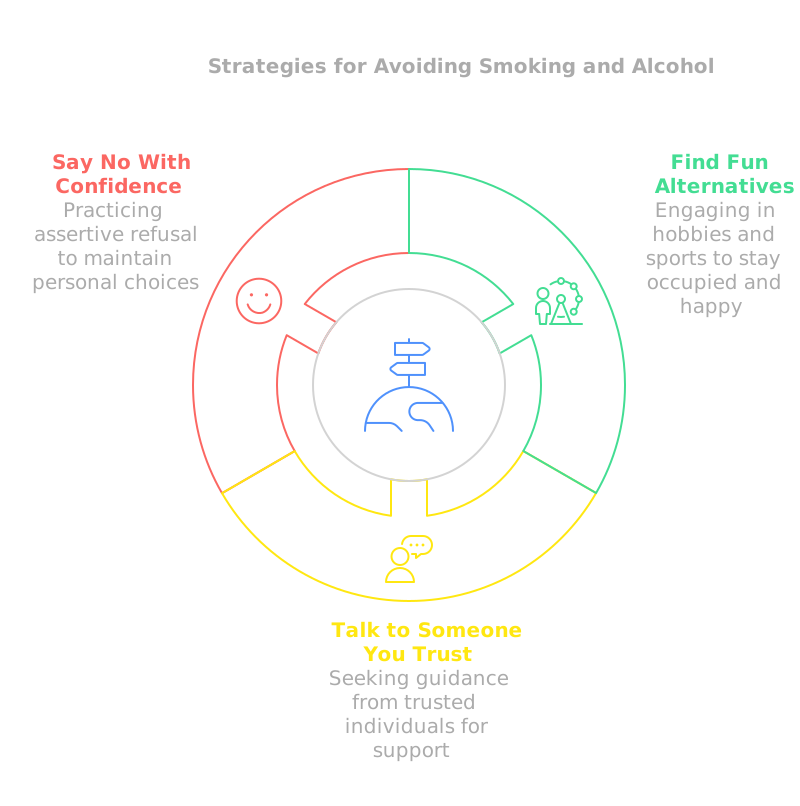
  • Find Fun Alternatives: Spend time on hobbies, sports, or activities that make you happy and keep you busy.
  • Talk to Someone You Trust: If you feel pressured or curious about smoking or alcohol, talk to a parent, teacher, or older friend who can guide you.
  • Say No With Confidence: If someone offers you a cigarette or alcohol, it’s okay to say no. Practice responses like, “No thanks, I’m good” or “I don’t want to.”
Why Smoking is harmful?

Why Smoking is harmful?

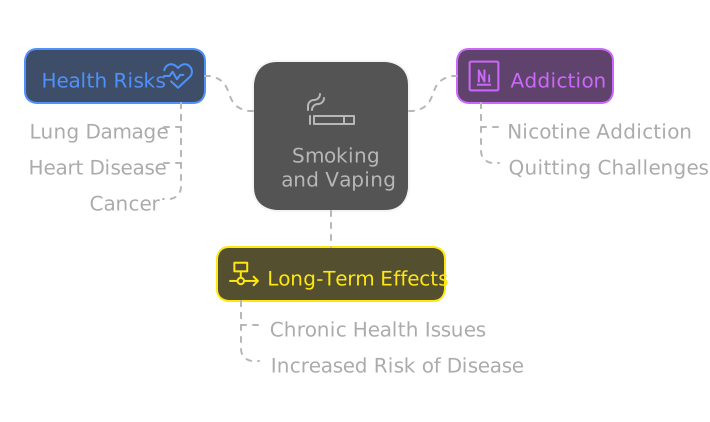
  • Smoking damages your lungs, stains your teeth, and gives you bad breath. It also increases your risk of serious illnesses like cancer, heart disease, and gum disease.
  • Addiction Happens Quickly: Cigarettes contain nicotine, which is highly addictive. Even trying it a few times can make you want to keep doing it, and quitting becomes much harder.
  • Vaping Is Not Harmless:Many teens think vaping is safer, but it’s not. Most vapes contain nicotine and harmful chemicals that can damage your lungs and mouth.
  • Long-Term Effects:Starting young makes it harder to quit later, and the damage to your body can build up over time.
strategies to avoid smoking
strategies to avoid smoking and Alcoholstrategies to avoid smoking and Alcohol

Lifestyle Factors: Alcohol

Lifestyle

Lifestyle

  • Find Fun Alternatives: Spend time on hobbies, sports, or activities that make you happy and keep you busy.
  • Talk to Someone You Trust: If you feel pressured or curious about smoking or alcohol, talk to a parent, teacher, or older friend who can guide you.
  • Say No With Confidence: If someone offers you a cigarette or alcohol, it’s okay to say no. Practice responses like, “No thanks, I’m good” or “I don’t want to.”
Alcohol: Why It’s Risky for Teens:

Alcohol: Why It’s Risky for Teens:

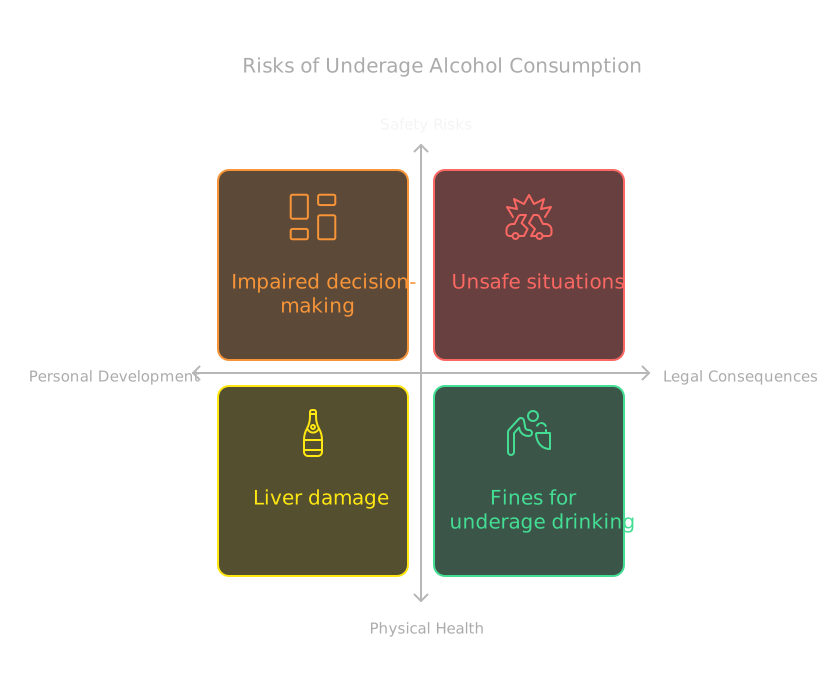
  • Drinking alcohol before your brain is fully developed (around age 25) can affect memory, decision-making, and mood. It lowers inhibitions, which means you might make risky decisions, like unsafe driving or bad choices in friendships and relationships.
  • Physical Health Risks: Alcohol can harm your liver, disrupt your sleep, and weaken your immune system. Heavy drinking can cause long-term damage, even if you don’t feel it right away.
  • Legal and Safety Issues:Underage drinking is illegal, and getting caught can lead to fines or other consequences. Drinking can put you in unsafe situations, especially if you’re around people you don’t trust.
strategies to avoid smoking and Alcohol
Risks of underage alcohol consumption

Preventive Measures

Regular Dental Visits

Regular Dental Visits

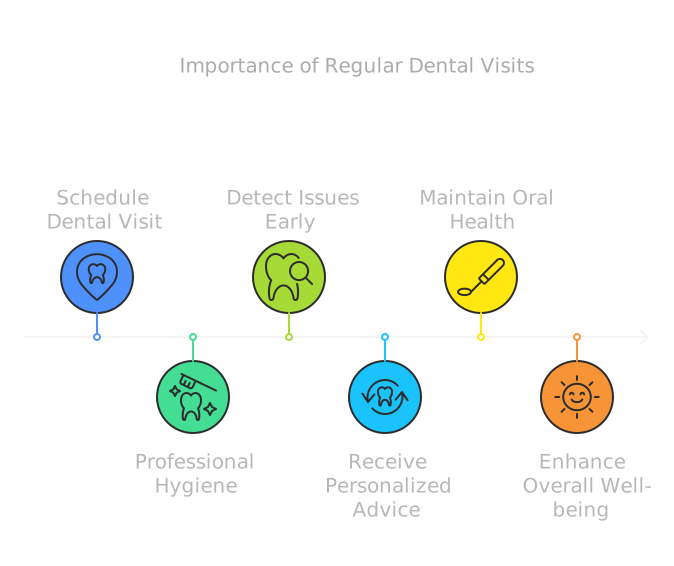
  • regular dental check-up as recommended by your dentist depending on your treatment needs
  • detect early if any signs of gum disease or tooth decay
  • topical fluoride varnish to protect your teeth
  • fissure sealants
  • mouthguard for contact sports
  • see our wisdom teeth (navigate button)
  • dental visits for orthodontic care ensure your braces or aligners are working correctly and help maintain good oral health.
Mouthguards

Mouthguards

If you play contact sports, wearing a custom-fitted mouthguard can protect your teeth and prevent injuries. Talk to your dentist about getting one made just for you.

Orthodontic Care

Orthodontic Care

If you have braces, it’s important to take extra care of your teeth. Use special tools like orthodontic brushes, floss threaders, or water flossers to clean around the brackets and wires.

dental Diet